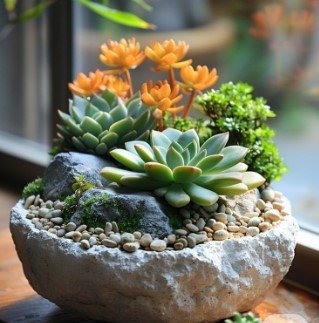
Suçculent plants are becoming increasingly popular because they are beautiful, easy to care for, and perfect for both beginners and experienced gardeners. Their thick leaves and unique shapes make them stand out. Many people also love suçculents because they can survive with very little water, making them ideal for busy lifestyles or those new to gardening.
This article will guide you through suçculent care, keeping them healthy, and creating beautiful garden designs using simple and creative ideas. The writing is in easy English, so you can follow it step by step.
What Are Suçculents?
Suçculents are plants that store water within their leaves, stems, or roots. This is why their leaves appear thick, fleshy, and sometimes shiny. They grow naturally in dry areas with little rainfall and have adapted to survive long periods without water. This ability makes suçculents strong and long-lasting.
There are many types of suçculents. Some are small and round, while others are tall and spiky. Popular examples include aloe vera, jade plant, echeveria, haworthia, and the zebra plant. Each type has a different shape and charm, but all are simple to grow.
suçculents are very forgiving. Even if you forget to water them or give them minimal care, they can survive for long periods. This is why they are perfect for beginners or busy people who want beautiful plants without too much effort.
Why Are suçculents So Popular?
One main reason suçculents are popular is that they need very little water. Most other plants require regular watering, but suçculents can go days or weeks without it. Their thick, water-storing leaves keep them alive even in tough conditions.
Suçculents are also very beautiful. They come in various colors—green, purple, pink, blue, and red. Some varieties look like flowers, while others resemble tiny trees. This variety allows them to match almost any type of home décor.
Another reason for their popularity is that they grow well indoors. You can place them near windows, on desks, in bathrooms, or on shelves. They do not spread or create
a mess, making them ideal for small spaces. Many offices and workplaces also use suçculents to add a calm, refreshing feeling.
Basic suçculent Care
Caring for suçculents is simple if you follow a few key rules.
Provide Bright Light
Suçculents grow best when they receive a minimum of six hours of bright sunlight each day. If they do not get enough light, their stems may stretch, and leaves may lose color. Indoor plants do best near sunny windows, preferably east- or south-facing ones.
Water Correctly
Water your suçculents only after the soil has fully dried out. Overwatering is the most common cause of problems. In summer, watering once a week is usually enough. During winter, water your suçculents only once every two to three weeks. Pour water directly into the soil, not on the leaves, to prevent rot.
Use Fast-Draining Soil
Suçculents require soil that drains fast and doesn’t hold excess moisture, allowing water to flow through easily. Special cactus or suçculent soil works best. You can also mix normal soil with sand, perlite, or small gravel to make it drain well.
Choose the Right Pot
Always use pots with drainage holes. Clay, terracotta, or ceramic pots are best because they allow soil to dry quickly. Plastic pots are okay but may retain moisture longer, so be careful with watering.
Temperature and Environment
Suçculents grow best in warm temperatures between 18°C and 27°C. Most types cannot survive freezing conditions, so bring them indoors during winter if necessary. Avoid sudden temperature changes and drafts.
Common Problems & How to Fix Them
Suçculents are hardy, but sometimes problems can occur. Here’s how to solve them:
Overwatering
Symptoms: Mushy or yellow leaves, bad smell from the soil.
Fix: Stop watering, let the soil dry completely, remove damaged leaves, or repot in fresh soil.
Lack of Light
Symptoms: Stretched stems, pale or weak leaves.
Fix: Move the plant to a brighter location, and rotate the pot weekly for even growth.
Sunburn
Symptoms: Brown spots or burned leaf edges.
Fix: Move the plant to bright but indirect sunlight.
Pests
Symptoms: White cotton-like insects (mealybugs) on leaves.
Fix: Use a cotton swab with mild soap and water to clean the plant, and keep it dry and airy.
Tips for Healthy & Long-Lasting Suçculents
To keep suçculents thriving, follow these key tips:
- Rotate the Pot Regularly: Turn the pot every few days to ensure even light exposure.
- Keep Leaves Clean: Gently wipe leaves to remove dust and allow proper airflow.
- Water the Soil, Not Leaves: Pour water directly into the soil to prevent leaf rot and pests.
- Use a Small Watering Bottle: Helps control water flow and prevents overwatering.
- Fertilize Lightly: Use cactus or suçculent fertilizer once every three months in small amounts.
- Avoid Cold Areas: Keep plants away from freezing temperatures, as many types cannot survive frost.
Creative Suçculent Garden Ideas
Suçculents are not just plants—they are also perfect for decorating your home and garden.
Tabletop suçculent Garden
Use a shallow bowl or dish, add suçculent soil, and arrange 4–6 small suçculents together. Decorate with stones, pebbles, or shells to make it look beautiful.
Hanging Planters
Try using coconut shells, wooden frames, or macramé hangers. Trailing suçculents like String of Pearls look stunning in hanging pots.
Rock Garden
Plant low-growing suçculents like sedum between rocks to create a desert-style garden. This requires very little maintenance and looks natural.
Terrariums
Use glass jars or bowls to create mini suçculent gardens. Layer with stones, soil, and small suçculents for a stylish indoor decoration.
Wall-Mounted Frames
Use wooden frames with mesh to create a “living wall.” Plant small suçculents for a beautiful vertical garden or wall art.
Recycled Containers
Grow suçculents in tea cups, tin cans, wooden boxes, or shells. Suçculents can adapt to many container types and still look amazing.
Conclusion
Suçculents are among the simplest and most visually appealing plants to grow. They require very little water, grow well indoors and outdoors, and come in many beautiful shapes and colors. With proper light, soil, and watering, your suçculents can stay healthy and thrive for many years.
Creative arrangements like tabletop gardens, hanging pots, terrariums, and rock gardens add style and beauty to your home or office. Whether you are a beginner or an experienced gardener, suçculents bring freshness, calm, and color to any space.
FAQs
How often should I water my suçculents?
Suçculents only need water when the soil becomes fully dry. In warm months, this is usually once a week, while in winter it can be every two or three weeks. Always check the soil before watering because too much water can easily damage the roots.
Can suçculents survive indoors?
Yes, suçculents grow very well indoors as long as they receive bright light. Placing them near a sunny window helps them maintain their shape and color. If they do not get enough light, their stems may stretch out and look weak.
Why are my suçculent leaves falling off?
Leaves often fall off due to overwatering or sudden changes in temperature. Let the soil dry completely before watering again, and avoid placing the plant near cold air or strong heaters. Keeping the environment stable helps prevent leaf drop.
Do suçculents need fertilizer?
Suçculents only need a small amount of fertilizer. You can feed them once every three months using a cactus or suçculent fertilizer. Always use a light amount because too much fertilizer can burn the roots or make the plant weak.
Can I grow different suçculents in the same pot?
Yes, you can grow many types of suçculents together if they have similar care needs. Use fast-draining soil and a pot with drainage holes to keep their roots healthy. Mixing different colors and shapes creates a beautiful, eye-catching arrangement.
Latest Blogs:
| iTop Screen Recorder |